10 Essential Questions to Ask Your Painter and Red Flags to Watch For
- sergiobayate
- Feb 25
- 3 min read
Hiring a painter for your home or commercial property can feel overwhelming. You want quality work at an affordable price, but how do you know if the painter you’re considering is the right fit? Asking the right questions upfront can save you headaches later. It also helps you spot warning signs that indicate a painter might not deliver the results you expect.
Whether you’re looking for an independent painter or a trusted painting company like Sergio Bayate Painting, based out of Hollywood and servicing Broward, Palm Beach, and Dade counties, this guide will help you make a confident choice. Sergio Bayate is known for quality and affordable painting services, both residential and commercial, and these questions will help you find the best painter for your project.

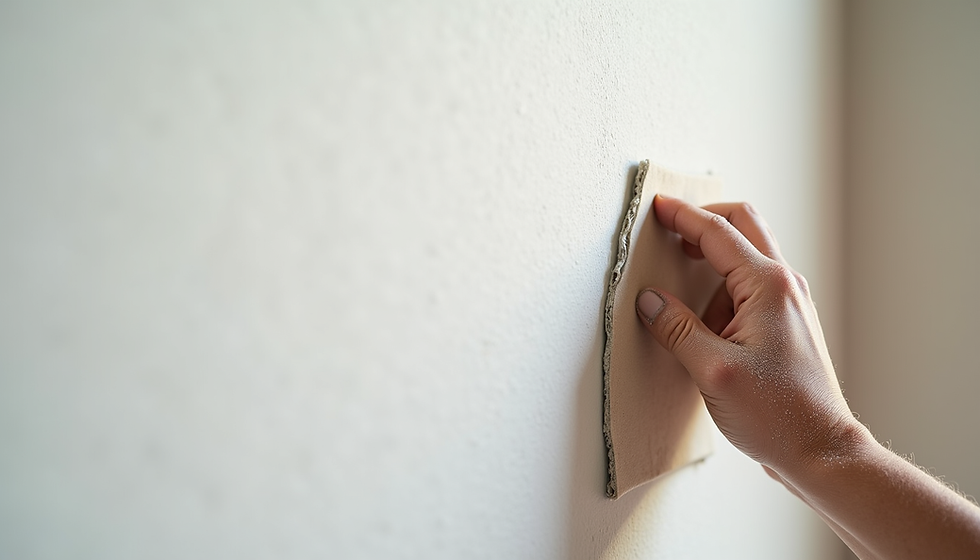
Painter preparing a wall for a smooth finish in a residential setting
1. Are You Licensed and Insured?
A painter who is licensed and insured protects you from liability if accidents happen during the job. Ask for proof of both. A license shows they meet local regulations and standards. Insurance covers damage or injuries on your property.
Red flag: The painter hesitates or refuses to provide proof. This could mean they are not properly licensed or insured, putting you at risk.
2. Can You Provide References or Examples of Past Work?
Reputable painters should have a portfolio or references from previous clients. This helps you verify the quality of their work and professionalism.
Red flag: No references or examples available, or only vague descriptions without photos. This might indicate a lack of experience or poor work quality.
3. What Is Included in Your Estimate?
A detailed estimate should break down labor, materials, paint brand and quality, preparation work, and cleanup. It should also specify the number of coats and timeline.
Red flag: A vague or unusually low estimate that doesn’t explain what’s included. This could lead to surprise costs or shortcuts in the work.
4. What Type of Paint Do You Recommend and Why?
Good painters will suggest paint brands and types suited to your project, whether it’s a house painter working on exterior walls or a commercial painter handling a large office space. They should explain why certain paints are better for durability, finish, or weather resistance.
Red flag: The painter only offers one option without explanation or pushes a cheap brand without considering your needs.
5. How Do You Prepare Surfaces Before Painting?
Proper surface preparation is key to a long-lasting paint job. This includes cleaning, sanding, filling holes, and priming.
Red flag: The painter downplays preparation or says it’s unnecessary. Skipping prep can cause peeling and uneven paint.
6. What Is Your Timeline for Completion?
Ask how long the project will take and if they can commit to a schedule. Delays can disrupt your plans, especially for commercial spaces.
Red flag: No clear timeline or promises that sound too good to be true. Unrealistic schedules often mean rushed or incomplete work.
7. Do You Offer a Warranty or Guarantee?
A confident painter stands behind their work with a warranty covering peeling, cracking, or fading for a certain period.
Red flag: No warranty or unwillingness to guarantee the work. This could mean they don’t expect their work to last.
8. How Will You Protect My Property During the Job?
Painters should take care to cover floors, furniture, and landscaping. They should also clean up thoroughly after finishing.
Red flag: No plan to protect your property or clean up. This can lead to damage or a messy site.
9. Who Will Be Doing the Work?
Find out if the painter will do the job personally or subcontract it. If subcontractors are involved, ask about their qualifications.
Red flag: The painter avoids answering or admits to hiring unknown subcontractors without oversight. This can affect quality and accountability.
10. How Do You Handle Unexpected Issues?
Sometimes painters find hidden problems like water damage or mold. Ask how they communicate and handle these situations.
Red flag: The painter says they will just fix it without discussing costs or options with you first. Transparency is important.

Painter applying fresh paint on an exterior wall with attention to detail
Final Thoughts
Choosing the right painter means asking clear questions and watching for red flags. A quality painter like Sergio Bayate, based out of Hollywood and servicing Broward, Palm Beach, and Dade counties, will be transparent, professional, and focused on delivering the best results for your home or commercial space.
Take your time to vet your options. Look for a painter who offers a detailed estimate, uses quality materials, prepares surfaces properly, and stands behind their work. This approach helps you avoid costly mistakes and ensures your property looks great for years.


Comments