The Importance of Using Primer Before Painting: When to Apply and What Products to Choose
- sergiobayate
- Feb 11
- 4 min read
Painting a room or a piece of furniture can transform a space or object, but the secret to a flawless finish often lies beneath the surface. Using primer before painting is a crucial step that many overlook, leading to uneven color, peeling, or poor adhesion. Understanding when to use primer and which product to select can save time, money, and frustration while ensuring your paint job lasts longer and looks professional.

Why You Need to Use Primer Before Painting
Primer acts as a preparatory coating that improves the bond between the surface and the paint. It seals porous materials, blocks stains, and creates a uniform base for paint to adhere to. Here are the main reasons to use primer:
Improves Paint Adhesion
Primer creates a surface that paint can grip onto, reducing the chances of peeling or flaking over time.
Seals Porous Surfaces
Materials like wood, drywall, or plaster absorb paint unevenly. Primer seals these pores, preventing blotchy or patchy finishes.
Blocks Stains and Odors
Surfaces with water stains, smoke damage, or strong odors benefit from stain-blocking primers that prevent discoloration from bleeding through the paint.
Enhances Paint Durability
Primer strengthens the paint layer, making it more resistant to wear, moisture, and environmental damage.
Saves Paint and Money
By providing a uniform surface, primer reduces the number of paint coats needed, saving paint and effort.
When to Use Primer
Not every painting project requires primer, but knowing when to apply it is key to a successful finish. Use primer in these situations:
Painting Bare Surfaces
New drywall, raw wood, metal, or masonry always need primer to prepare the surface.
Covering Dark or Bright Colors
When painting over a dark or vibrant color with a lighter shade, primer prevents the old color from showing through.
Repairing Damaged Walls
After patching holes or cracks, primer seals repairs and ensures even paint coverage.
Painting Over Glossy or Non-Porous Surfaces
Surfaces like glass, tile, or glossy paint require a bonding primer to help new paint stick.
Preventing Rust on Metal
Metal surfaces prone to rust need a rust-inhibiting primer to protect and prepare the surface.
Stain or Odor Problems
Use stain-blocking primers on surfaces with water damage, smoke stains, or pet odors.
If you skip primer in these cases, expect uneven color, peeling, or premature paint failure.
Choosing the Right Primer for Your Project
Selecting the right primer depends on the surface, the paint type, and the conditions. Here are common types of primers and when to use them:
Latex (Water-Based) Primer
Best for drywall, plaster, wood, and previously painted surfaces.
Dries quickly and cleans up with water.
Low odor and low VOC (volatile organic compounds).
Ideal for interior projects.
Oil-Based Primer
Excellent for sealing knots in wood and blocking stains.
Works well on metal and glossy surfaces.
Longer drying time and stronger odor.
Provides a durable base for oil-based paints.
Shellac Primer
Superior stain-blocking for tough stains like smoke, water, and ink.
Dries very fast.
Strong odor and requires solvent cleanup.
Use in well-ventilated areas.
Bonding Primer
Designed for slick or hard-to-paint surfaces like glass, tile, or glossy finishes.
Improves adhesion where regular primers fail.
Rust-Inhibiting Primer
Contains chemicals to prevent rust on metal surfaces.
Essential for outdoor metal projects or humid environments.
Specialty Primers
Concrete primers for masonry.
High-build primers for filling minor surface imperfections.
Practical Tips for Using Primer
Prepare the Surface
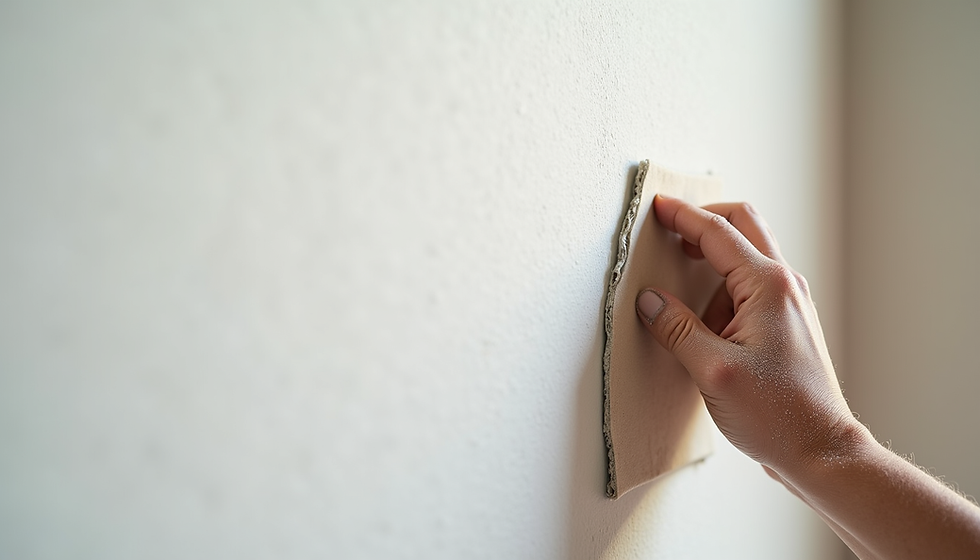
Clean dirt, grease, and loose paint before priming. Sand glossy surfaces lightly for better adhesion.
Apply Evenly
Use a brush, roller, or sprayer to apply primer in thin, even coats.
Follow Drying Times
Allow primer to dry fully before painting. Check manufacturer instructions for specific times.
Match Primer to Paint
Use a primer compatible with your paint type (latex primer for latex paint, oil-based primer for oil paint).
Test First
On tricky surfaces, test primer on a small area to check adhesion and coverage.

Recommended Primer Products
Here are some widely trusted primer products for different needs:
Zinsser Bulls Eye 1-2-3
A versatile water-based primer that works on many surfaces, blocks stains, and offers good adhesion.
Kilz Original Oil-Based Primer
Great for sealing stains and providing a strong base on wood and metal.
Rust-Oleum Rusty Metal Primer
Ideal for preventing rust on metal surfaces exposed to moisture.
Benjamin Moore Fresh Start High-Hiding Primer
Excellent for covering dark colors and providing a smooth base.
Sherwin-Williams Multi-Purpose Latex Primer
Good for interior walls and ceilings with low odor and fast drying.
Choosing a primer depends on your project specifics, but these products cover most common needs.

Final Thoughts on Using Primer Before Painting
Skipping primer may seem like a shortcut, but it often leads to disappointing results that require costly repairs. Primer improves paint adhesion, seals surfaces, blocks stains, and extends the life of your paint job. Knowing when to apply primer and selecting the right product for your surface ensures a smooth, durable finish that looks professional.
Before your next painting project, take the time to prep with primer. It will save you effort and money while delivering a finish you can be proud of. If you are unsure which primer to use, consult product labels or ask a paint specialist for advice tailored to your project.


Comments